


Forget English By Aamir R. Mufti
Price range: ₨900.00 through ₨960.00

Israel: A History By Anita Shapira
Price range: ₨1,100.00 through ₨1,150.00
On Revival By Roni Henig
Price range: ₨850.00 through ₨900.00
Discover Your Next Great Read!
Imported First Copies
Premium Quality
Hardcover & Softcover
Find Your Story…”
Related products

A Gentle Reminder By Bianca Sparacino
Price range: ₨690.00 through ₨740.00
Select options
This product has multiple variants. The options may be chosen on the product page

The Strength In Our Scars By Bianca Sparacino
Price range: ₨690.00 through ₨740.00
Select options
This product has multiple variants. The options may be chosen on the product page

you left me on read By akhira
Price range: ₨730.00 through ₨780.00
Select options
This product has multiple variants. The options may be chosen on the product page

Healing Is the New High By Vex King
Price range: ₨800.00 through ₨850.00
Select options
This product has multiple variants. The options may be chosen on the product page

The Art of Seduction By Robert Greene
Price range: ₨1,100.00 through ₨1,160.00
Select options
This product has multiple variants. The options may be chosen on the product page
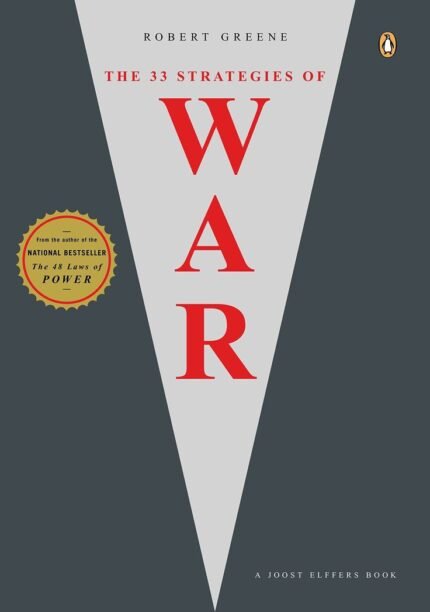
The 33 Strategies of War By Robert Greene
Price range: ₨1,350.00 through ₨1,400.00
Select options
This product has multiple variants. The options may be chosen on the product page

Interviews with the Masters: A Companion to Robert Greene’s Mastery By Robert Greene
Price range: ₨1,250.00 through ₨1,300.00
Select options
This product has multiple variants. The options may be chosen on the product page

Friends, Lovers, and the Big Terrible Thing By Matthew Perry
Price range: ₨790.00 through ₨840.00
Select options
This product has multiple variants. The options may be chosen on the product page